Vox Method: Training the Voice attempts to demystify, simplify and organize the study of voice. It presents a comprehensive approach to building and maintaining the performing voice. Steven Lecky organizes the subject matter around a clear, step-by-step layering of information and techniques.
The book and its accompanying videos provide professional voice users what they need most—an approach to training that offers concrete techniques and real tools that lead to genuine results. They promote the concept that the vocalist is an athlete who must train, drill and coordinate the whole instrument for the considerable challenges of performance. The method is rooted in learnable, measurable, repeatable skills that can be objectively assessed, corrected and drilled to become the foundation of an automatic vocal technique.
With technical mastery at its core, Vox Method: Training the Voice revolutionizes the teaching of voice and is a precious resource for actors, singers, theatre instructors and professional voice users from all walks of life.
Vox Method: The Acting Process demystifies the craft of acting—making it more accessible, comprehensible, and concrete. It is an exciting training program for actors that helps them become completely immersed in the techniques of acting, which provides them with a solid grounding in their craft.
Throughout the book and its accompanying videos, Steven Lecky develops extensive, clearly defined acting terminology that greatly facilitates discussion. This resource provides teachers with a wealth of information, technical tools and exercises devised to drill the student actor in specific skill sets. These skills marry technical execution with the actor’s investigations of thought, emotion, pace, movement, language, character, and interaction.
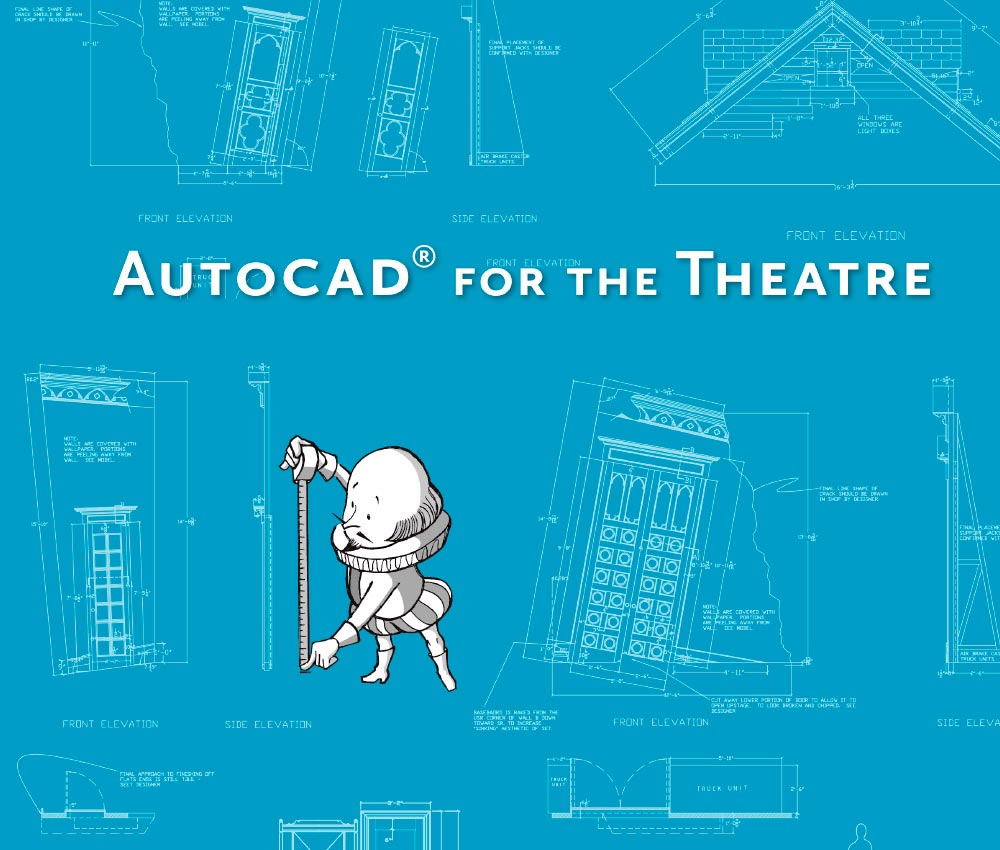
Computer-aided drafting (CAD) is a type of software that was developed for engineers and architects. Having caught the attention of theatre companies, it is often used as a professional drafting tool for set design and production.
This fully illustrated book is organized around a practical step-by-step project: the technical drawings for the set of a play titled A Matter of Murder and Peerage in the Scottish Manor. By using AutoCAD to develop this project, students will learn computer-based techniques for 2D drafting as well as 3D modelling. By the end, students will have acquired not only valuable AutoCAD skills, but the prints of a ground plan, extended elevations, a centre line section and renderings of a 3D model, which are all suitable for a professional portfolio.
…and One Classical: A Shakespeare Audition Handbook</em> is a textbook for theatre students wherein the author draws upon years of teaching directing and coaching experience to offer advice and wisdom covering all the important aspects of preparing for a Shakespearean audition. This dazzling array of plays is organized in an easily accessible format with accompanying annotations. Drawn from comedy tragedy and history the plays are diverse in type and through a clever graphic design innovation the category and genre of each piece can be quickly ascertained by consulting the logo at the top of each page. The result is a collection of Shakespearean gems that will demystify the audition process inspire confidence and perhaps even ignite a love affair with the world’s most well-known but often misunderstood playwright.
Vox Method: Training the Voice attempts to demystify, simplify and organize the study of voice. It presents a comprehensive approach to building and maintaining the performing voice. Steven Lecky organizes the subject matter around a clear, step-by-step layering of information and techniques.
The book and its accompanying videos provide professional voice users what they need most—an approach to training that offers concrete techniques and real tools that lead to genuine results. They promote the concept that the vocalist is an athlete who must train, drill and coordinate the whole instrument for the considerable challenges of performance. The method is rooted in learnable, measurable, repeatable skills that can be objectively assessed, corrected and drilled to become the foundation of an automatic vocal technique.
With technical mastery at its core, Vox Method: Training the Voice revolutionizes the teaching of voice and is a precious resource for actors, singers, theatre instructors and professional voice users from all walks of life.
Vox Method: The Acting Process demystifies the craft of acting—making it more accessible, comprehensible, and concrete. It is an exciting training program for actors that helps them become completely immersed in the techniques of acting, which provides them with a solid grounding in their craft.
Throughout the book and its accompanying videos, Steven Lecky develops extensive, clearly defined acting terminology that greatly facilitates discussion. This resource provides teachers with a wealth of information, technical tools and exercises devised to drill the student actor in specific skill sets. These skills marry technical execution with the actor’s investigations of thought, emotion, pace, movement, language, character, and interaction.
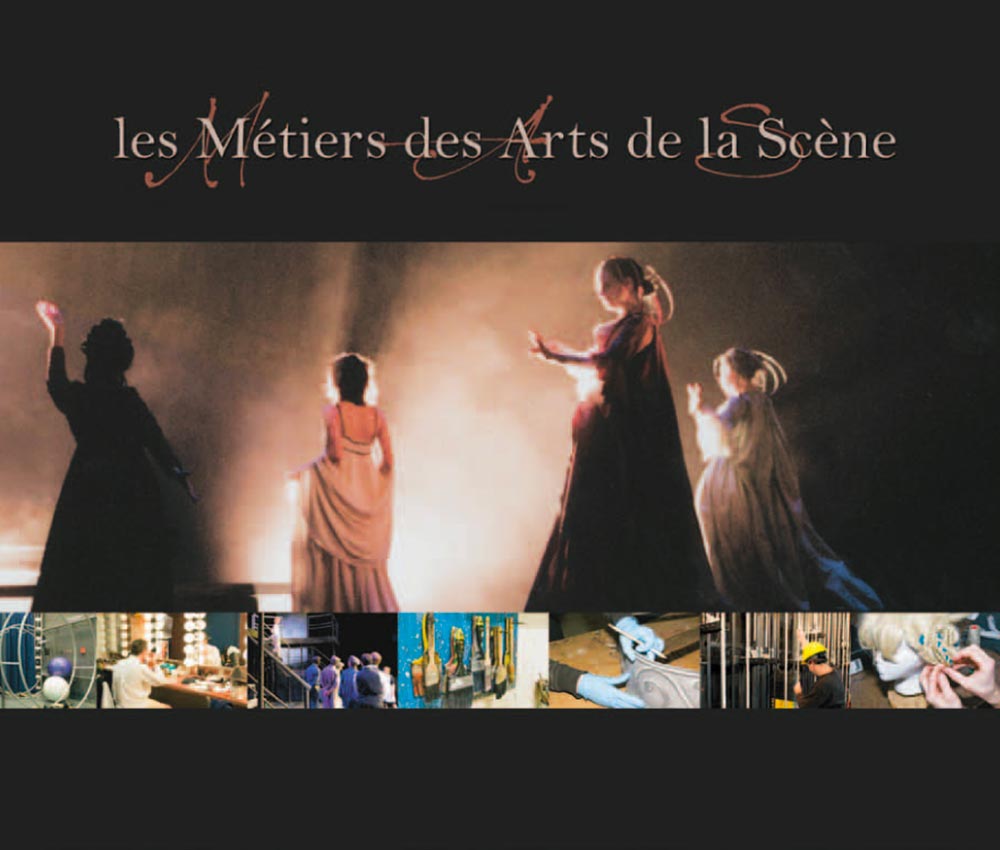
Ce manuel se veut une introduction aux métiers des arts de la scène au Québec. Il aborde principalement le théâtre (le manuel étant lié au diplôme d’études collégiales en Théâtre-production), mais survole également tous les secteurs d’activité des arts de la scène (théâtre, danse, opéra, cirque, événements, etc.) et les types de spectacles produits (autoproduction, tournée, etc.). Il traite des secteurs d’activité du milieu, explique le déroulement d’une production et décrit plus de 60 métiers des arts de la scène sous la forme d’un répertoire. Il comprend aussi un glossaire qui aidera à la compréhension des termes souvent très techniques ou spécialisés du milieu.
Ce manuel se veut une source de référence pertinente pour tous les jeunes qui ont un intérêt pour les métiers reliés au théâtre ou aux arts de la scène en général. De plus, il peut être fort utile aux professionnels du milieu des arts de la scène, qui y trouveront de nombreuses informations qui les aideront dans leur pratique quotidienne.
Computer-aided drafting (CAD) is a type of software that was developed for engineers and architects. Having caught the attention of theatre companies, it is often used as a professional drafting tool for set design and production.
This fully illustrated book is organized around a practical step-by-step project: the technical drawings for the set of a play titled A Matter of Murder and Peerage in the Scottish Manor. By using AutoCAD to develop this project, students will learn computer-based techniques for 2D drafting as well as 3D modelling. By the end, students will have acquired not only valuable AutoCAD skills, but the prints of a ground plan, extended elevations, a centre line section and renderings of a 3D model, which are all suitable for a professional portfolio.
…and One Classical: A Shakespeare Audition Handbook</em> is a textbook for theatre students wherein the author draws upon years of teaching directing and coaching experience to offer advice and wisdom covering all the important aspects of preparing for a Shakespearean audition. This dazzling array of plays is organized in an easily accessible format with accompanying annotations. Drawn from comedy tragedy and history the plays are diverse in type and through a clever graphic design innovation the category and genre of each piece can be quickly ascertained by consulting the logo at the top of each page. The result is a collection of Shakespearean gems that will demystify the audition process inspire confidence and perhaps even ignite a love affair with the world’s most well-known but often misunderstood playwright.
This website was conceived and prepared for both the acting student and the novice professional actor faced with the daunting task of preparing and presenting an audition piece from the works of William Shakespeare. It is a companion to the textbook …and One Classical: A Shakespeare Audition Handbook, which presents more than 150 quality audition pieces with annotations. While the book’s primary purpose is to assist students in finding and preparing a monologue, the website addresses common challenges associated with the audition process itself. Short videos featuring student actors present both successful and not-so-successful methods and address issues that should be anticipated by the performer during an audition. Moreover, the technique of scansion is demonstrated in detail through the use of multimedia.
Cette collection de fiches donne une vision intégrée de la pratique théâtrale dans son contexte culturel en insistant sur les liens entre sociétés lieux de spectacle et dramaturgies. Ses nombreux documents visuels (illustrations croquis photographies vidéos) témoignent de l’histoire du théâtre. Les fiches présentent l’histoire du théâtre par périodes historiques mais permet de voyager dans le temps et dans l’espace pour retrouver un grand nombre d’informations concernant les différents aspects de la pratique théâtrale de l’écriture à la mise en scène. Il constitue une très bonne base d’apprentissage des notions nécessaires à l’interprétation des textes et des spectacles.
La collection contient également du matériel diversifié (définitions descriptions extraits biographies entrevues iconographie). Il est ainsi possible de construire rapidement des diaporamas selon différents axes d’étude comme les époques les particularités architecturales des lieux de spectacle les genres les courants etc.